
Aiehi
What We Do
Our projects
Promoting health and economic opportunities involves strategies and policies aimed at improving both the well-being of individuals and the overall economic conditions within a community or society. Here’s a breakdown of what it entails:
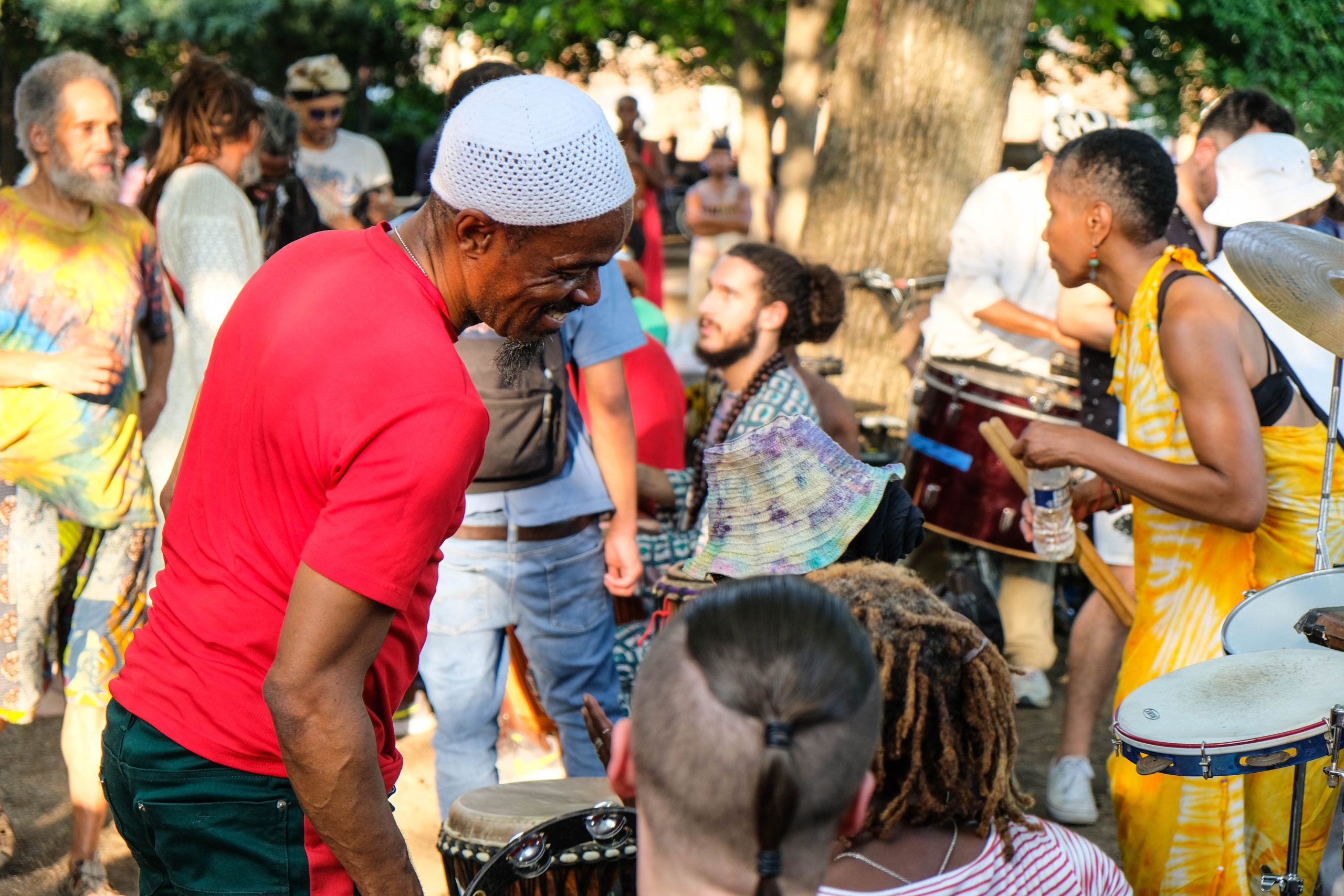
Promoting Health and Economic Opportunities
Public health campaigns: These can include education about healthy lifestyles, disease prevention, and vaccination programs.
Access to healthcare: Ensuring that healthcare services are available and affordable to all segments of the population.
Health education: Providing information on nutrition, exercise, mental health, and other aspects of well-being to empower individuals to make healthier choices.
Disease management: Implementing measures to control and manage prevalent diseases, including screening programs and access to treatment.
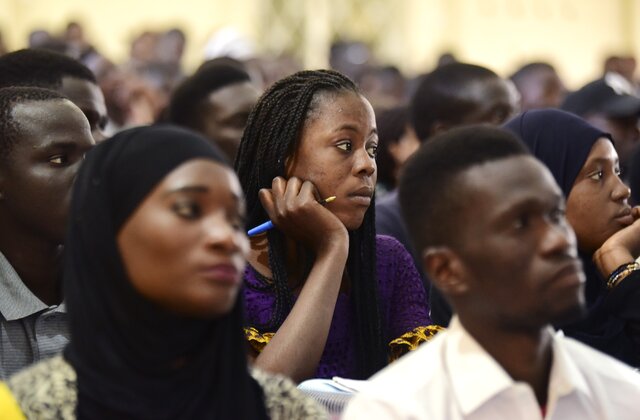
Settlement of Refugees and Immigrants
Job creation: Encouraging the growth of industries and businesses that provide employment opportunities for people of diverse skill sets and backgrounds.
Skills development: Investing in education and training programs to equip individuals with the skills needed to thrive in the workforce.
Entrepreneurship support: Facilitating the establishment and growth of small businesses through access to financing, mentorship, and other resources.
Infrastructure development: Building and maintaining essential infrastructure such as transportation networks, utilities, and communication systems to support economic activities.

Role in Education and Awareness
Formal Education: This includes structured learning within institutions such as schools, colleges, and universities. It encompasses subjects like mathematics, science, literature, history, and more.
Informal Education: Learning occurs outside traditional academic settings through experiences, interactions, and self-directed study. This can include hobbies, travel, online courses, and reading.
Skills Development: Education equips individuals with knowledge, skills, and competencies necessary for personal growth, professional success, and societal contribution. It fosters critical thinking, creativity, problem-solving, and adaptability.
Lifelong Learning: Education is a lifelong journey that continues beyond formal schooling. Continuous learning helps individuals stay relevant in a rapidly changing world, adapt to new technologies and trends, and pursue personal interests and passions.
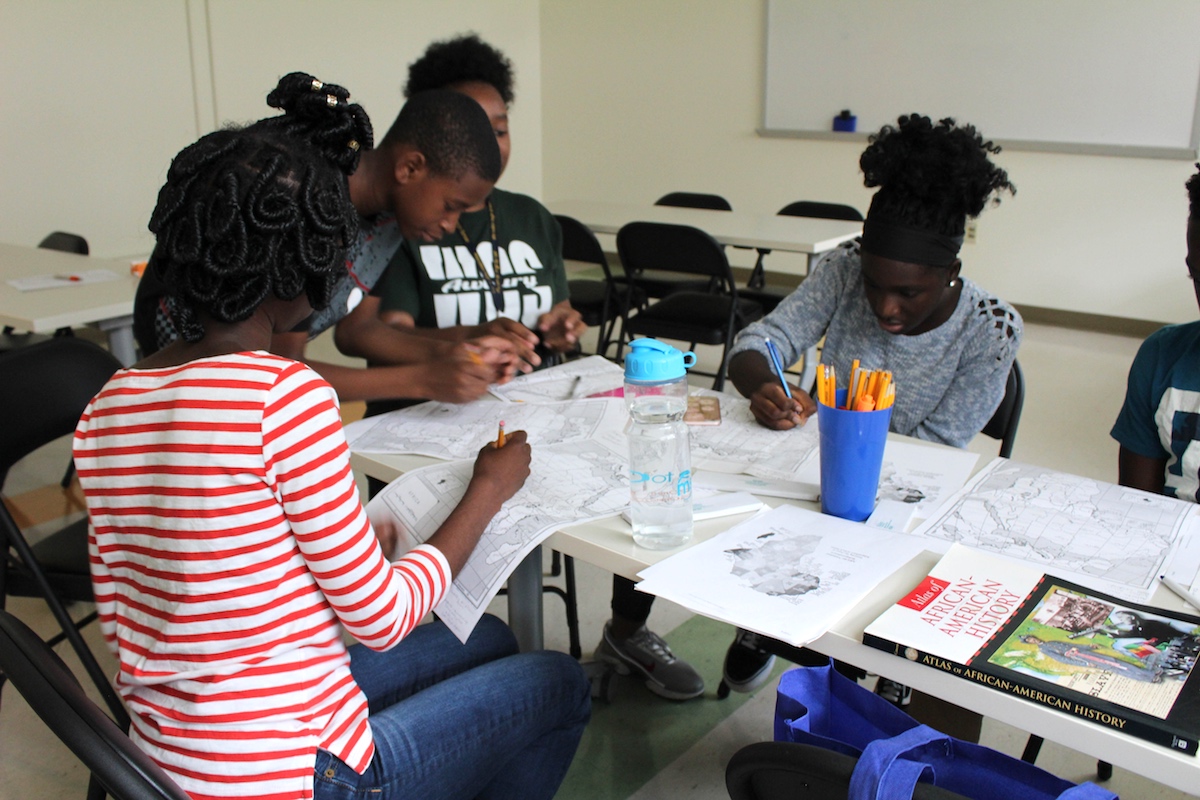
Workshops and Seminars
Interactive Learning: Workshops typically involve hands-on activities, group discussions, and practical exercises, allowing participants to engage actively with the material.
Skill Development: They provide opportunities for attendees to acquire new skills or enhance existing ones, whether it’s technical expertise, leadership abilities, or creative talents.
Focused Topics: Workshops often focus on specific topics or areas of interest, allowing for in-depth exploration and mastery of subject matter.
Problem Solving: They can be structured to address specific challenges or issues, enabling participants to brainstorm solutions and strategies collaboratively.
Networking: Workshops bring together professionals, experts, and enthusiasts in a particular field, fostering connections and collaboration among participants.
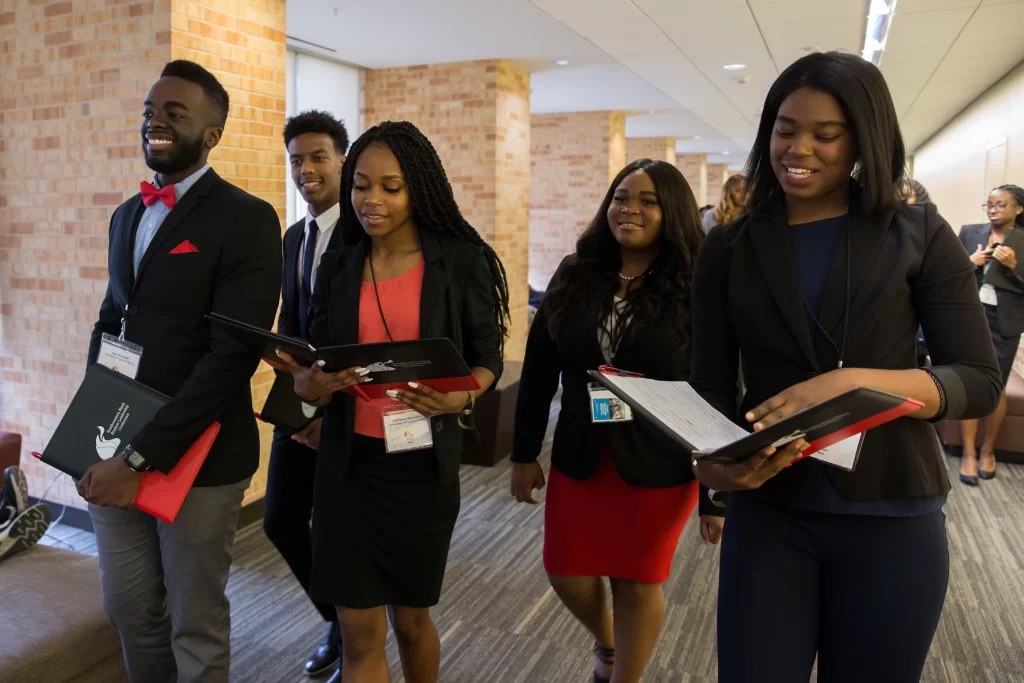
Cultural Connection and Celebration:
- Cultural Events: Organize cultural events and celebrations that highlight the diverse heritage, traditions, and customs of African countries. This could include festivals, food tastings, music concerts, and art exhibitions.
- Language Exchange: Facilitate language exchange programs where members can learn and practice different African languages, fostering a sense of cultural identity and belonging.
Community Centers: Establish community centers or cultural hubs where African immigrants can gather for social activities, access resources, and receive support services such as language classes, job training, and legal assistance.
Support Groups: Create support groups or mentorship programs to provide emotional support, guidance, and networking opportunities for new immigrants or those facing challenges adjusting to life in a new country.
Cultural Exchange and Integration:
- Community Partnerships: Foster partnerships and collaboration with other immigrant groups, cultural organizations, and mainstream institutions to promote cross-cultural understanding, diversity, and inclusion.
- Integration Programs: Develop integration programs and initiatives that facilitate interaction and collaboration between African immigrants and the broader society, promoting mutual respect, tolerance, and social cohesion.

Educational and Professional Development:
- Skills Training: Offer skills training workshops, vocational courses, and entrepreneurship programs tailored to the needs and interests of African immigrants. This can help enhance employability, promote economic empowerment, and foster career advancement.
- Educational Scholarships: Establish scholarship programs to support African immigrant students pursuing higher education or vocational training, enabling them to achieve their academic and career aspirations.
Community Engagement and Advocacy:
- Community Outreach: Engage with local government agencies, nonprofits, and community organizations to advocate for the needs and interests of African immigrants, including access to healthcare, housing, education, and social services.
- Civic Participation: Encourage civic engagement and political participation among community members by organizing voter registration drives, town hall meetings, and advocacy campaigns on issues affecting African immigrant communities.
Social Support Networks:
- Community Centers: Establish community centers or cultural hubs where African immigrants can gather for social activities, access resources, and receive support services such as language classes, job training, and legal assistance.